
“El congelador de la memoria”: Un Retrato de tu Trauma en Hielo.
The Memory Freezer: A Portrait of Your Trauma in Ice
Acción realizada entre el 11 y el 25 de junio insitu, en la sala de las flores
en El Museo La Neomudejar, Madrid, donde se inaugurará el 16 de julio de 2025.
Jana Leo

La artista Jana Leo vuelve a documentar emociones, a explorar los efectos que la violencia o los hechos que ocurren en la vida producen en el ánimo y te invita a ser parte de su instalación: “Memoria Congelada”, una experiencia artística única donde tu retrato se convierte en una manifestación de tu estado de ánimo por un trauma experimentado.
The artist Jana Leo once again documents emotions, exploring the effects that violence or life events have on the spirit. She invites you to be part of her installation, “Frozen Memory,” a unique artistic experience where your portrait becomes a manifestation of your state of mind resulting from an experienced trauma.
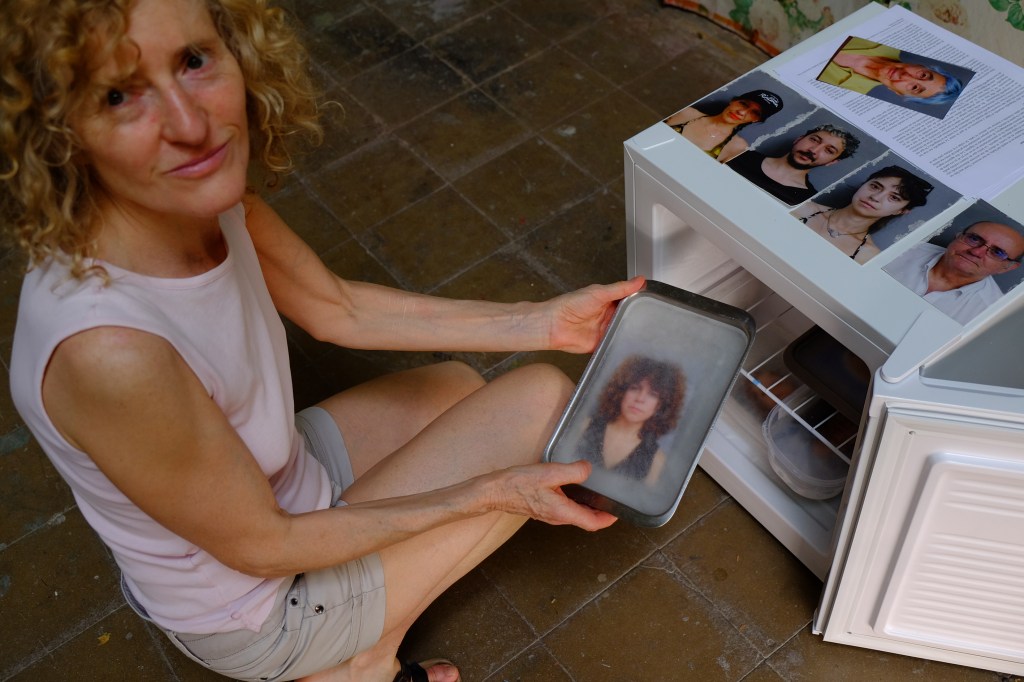
A participatory action carried out between June 11 and 25, 2025, in the same gallery space where it is now exhibited at La Neomudéjar Museum under the following parameters: During your participation in a guided session to explore your emotional state, you will write a record of your trauma. Jana Leo will then take a portrait of you, which she later places on a tray of ice inside a freezer also installed in the gallery. In the following days, she photographs the portrait, capturing the process of the image freezing and disappearing. The action opens to the public as an exhibition on July 16, 2025.

La presentación al público, contiene cuatro elementos: la fotografía tomada en 10 x 15; el “impreso de registro de un trauma” (que se rellenó a mano sobre una superficie blanca para marcar en el papel) puesto por la parte de atrás, de tal manera que no se puede leer, pero se ve el relieve de la escritura; y dos fotos del proceso de congelación.
The public presentation comprises four elements: the original 10 x 15 cm photograph; the “trauma registration form” (which was filled out by hand over a white surface to create an impression on the paper), displayed with its back facing forward, so that it cannot be read but the relief of the writing is visible; and two photographs of the freezing process.

Las participación cesa cuando se llega a la número 20. La duración de cada una es de entre 10 y 30 minutos. El espacio para registrar un trauma es un impreso, una simple página que te pregunta tu nombre, la fecha y la esencia de lo ocurrido, así como el momento en el que te diste cuenta de la importancia de lo ocurrido. Así se crea un momento de introspección que se refleja en el estado de ánimo y en la imagen que uno proyecta. Después la persona participante, se sienta en una silla perpendicular a un fondo gris y se le invita a regresar al momento que acaba de describir, pero esta vez desde un lugar de control, pues está fuera del escenario en el que aquello sucede. La intención es dejar ir el momento del dolor (que tan necesario fue para la supervivencia y para recordar que aquello ocurrió y que por eso uno se encuentra como es, y tiene el carácter que tiene) y favorecer ser capaz de abandonarlo y no agarrarse al dolor. Luego, la artista toma tu retrato. Más tarde el retrato se congela en un congelador que hay en la sala y la artista va tomando fotografías del mismo durante su proceso de congelación.

Participation is limited to 20 individuals. Each session lasts between 10 and 30 minutes. The space to record a trauma is a printed form, which includes the name, the date, the essence of what happened, and the moment it was realized the significance of the event. This creates a moment of introspection that is reflected in one’s state of mind and the image one projects. Afterward, the participant sits in a chair set perpendicularly against a gray background and is invited to return to the moment they have just described, but this time from a place of control, as they are outside the setting where the event took place. The intention is to let go of the moment of pain (which was so necessary for survival and for remembering that the event occurred, and which has shaped who one is and the character one has) and to foster the ability to release it rather than clinging to the pain. The artist then takes the portrait. Later, the portrait is frozen in a freezer within the gallery, and the artist photographs it throughout its freezing process.

Lo que se ha registrado abarca desde una historia de un padre maltratador, la perdida de una hija al poco de nacer, los abusos sexuales de una cuidadora en la tierna infancia, sucesos de violencia por exparejas, el abandono de un compañero al saber que uno está embarazada, el miedo a las alturas, la repentina pérdida de la madre en la niñez, el descubrimiento de que tu padre tiene una familia diferente a la tuya, un acto de bulling, los encuentros desafortunados con el sistema de salud, y el propio trauma de estar vivo, de nacer. Con este proyecto se ha creado un espacio, minúsculo e insuficiente, pero imprescindible para empezar a reposar la parte de la memoria que hace daño y obstruye el presente.
The experiences recorded range from a history of an abusive father, the loss of a daughter shortly after birth, sexual abuse by a caregiver in early childhood, incidents of violence by ex-partners, abandonment by a partner upon learning of a pregnancy, a fear of heights, the sudden loss of a mother in childhood, the discovery that one’s father had another family, an act of bullying, unfortunate encounters with the healthcare system, and the very trauma of being alive, of being born. With this project, a space has been created—minuscule and insufficient, yet essential—to begin to lay to rest the part of memory that causes harm and obstructs the present.
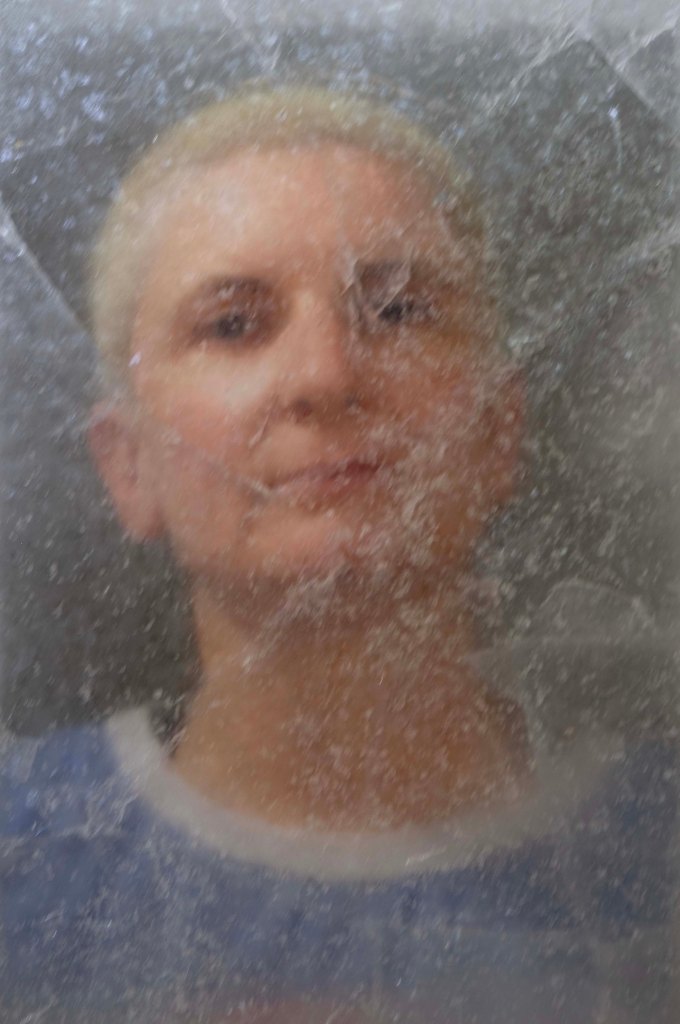


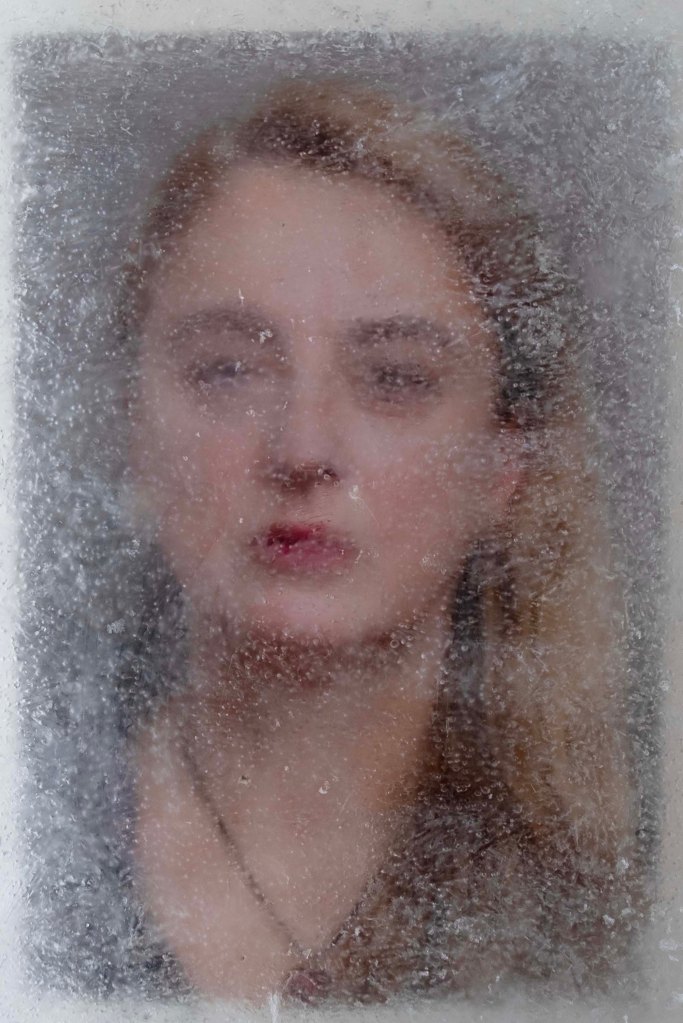

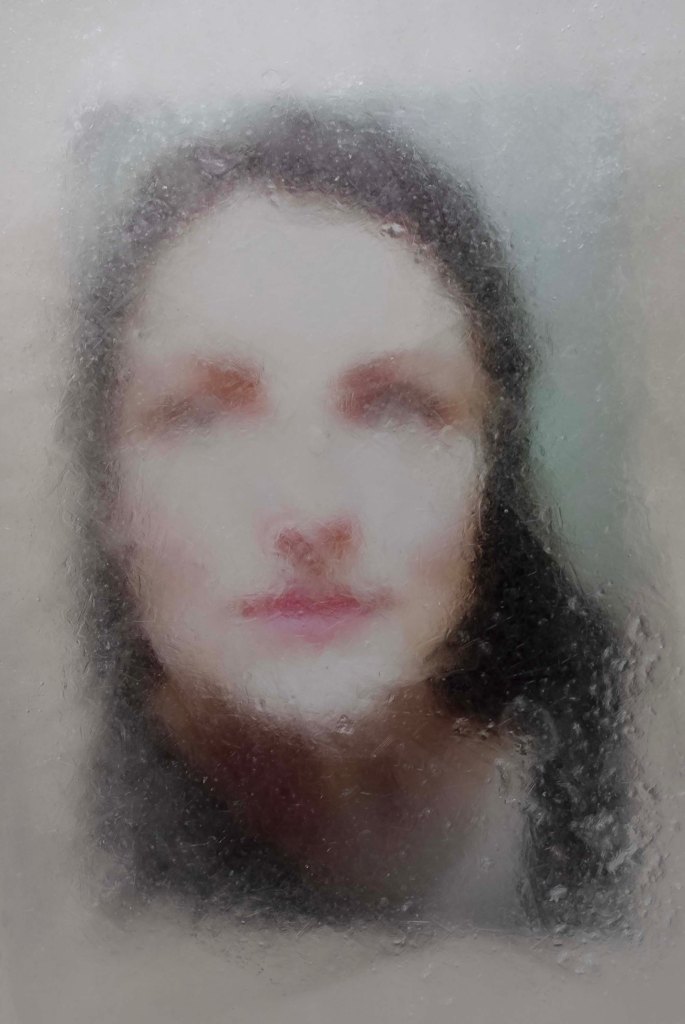


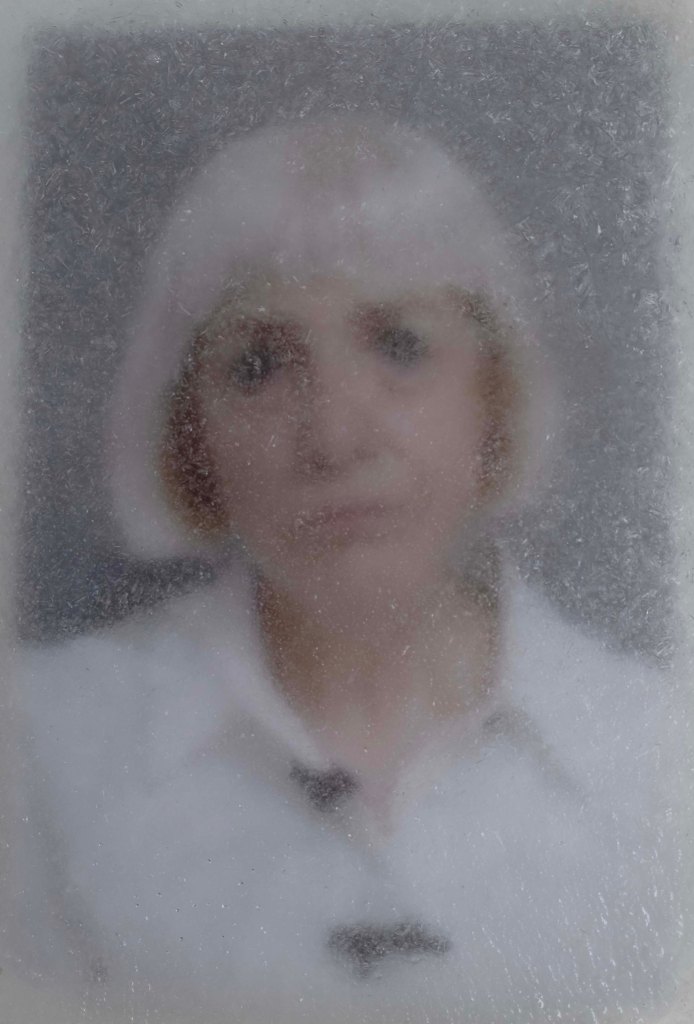


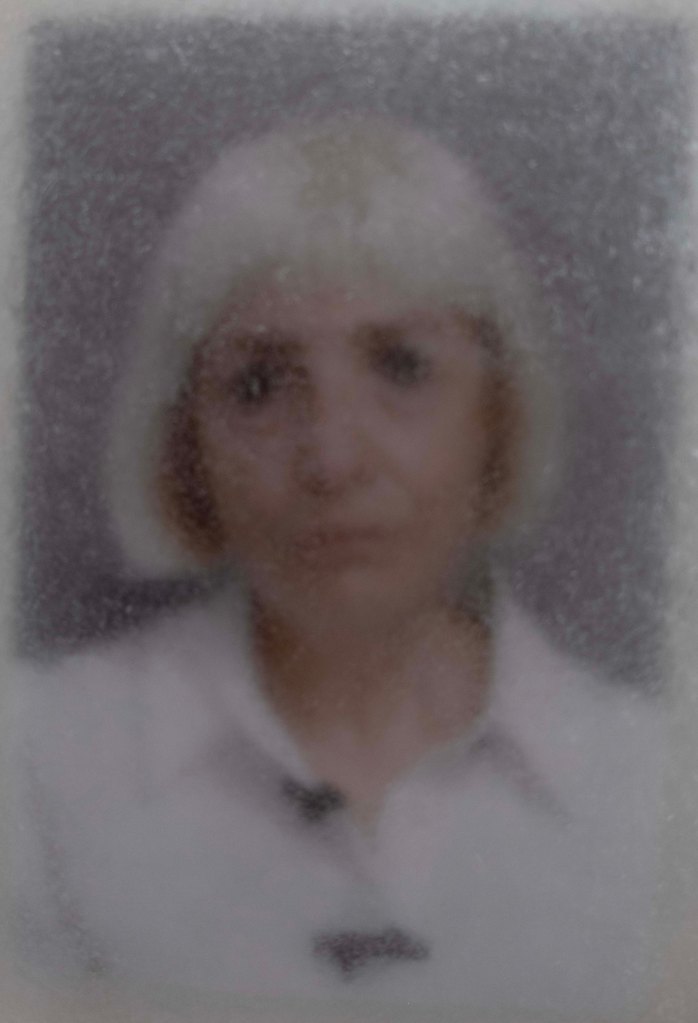
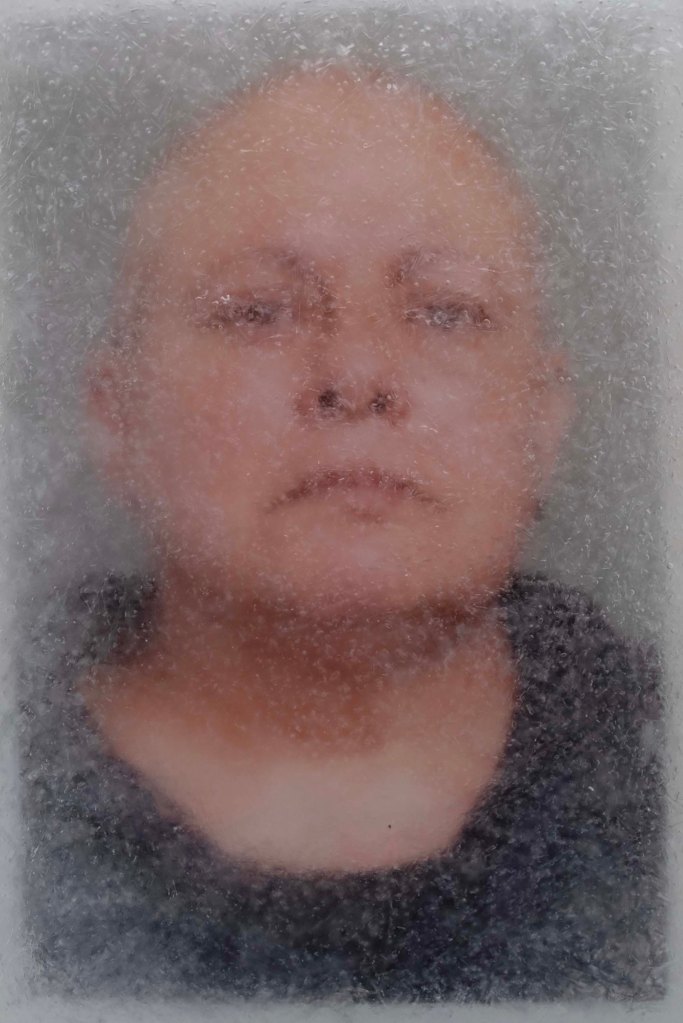


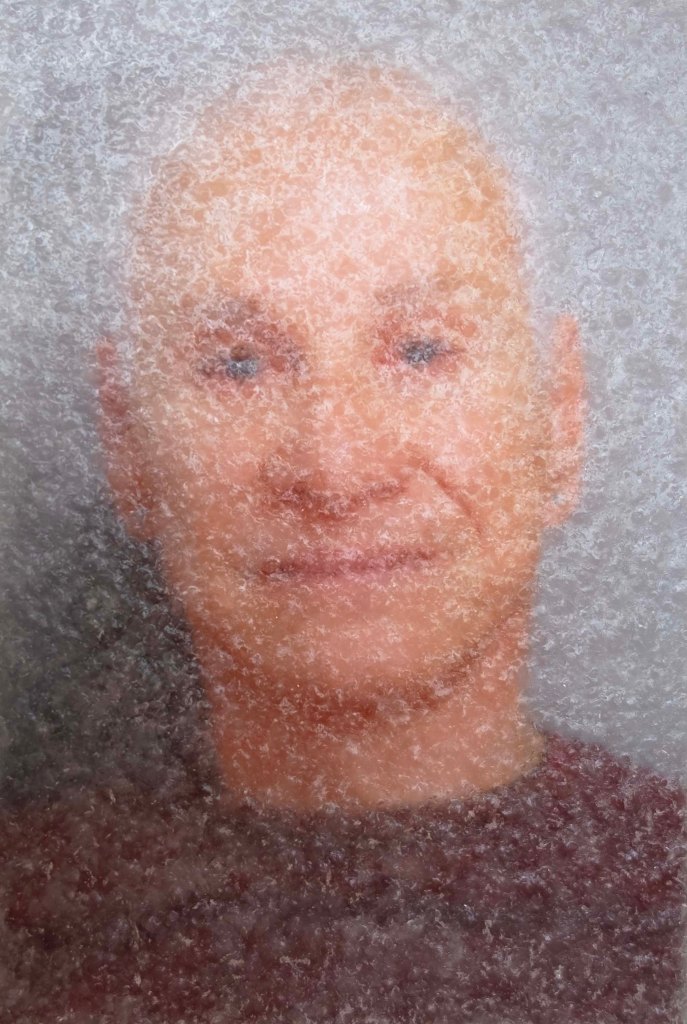

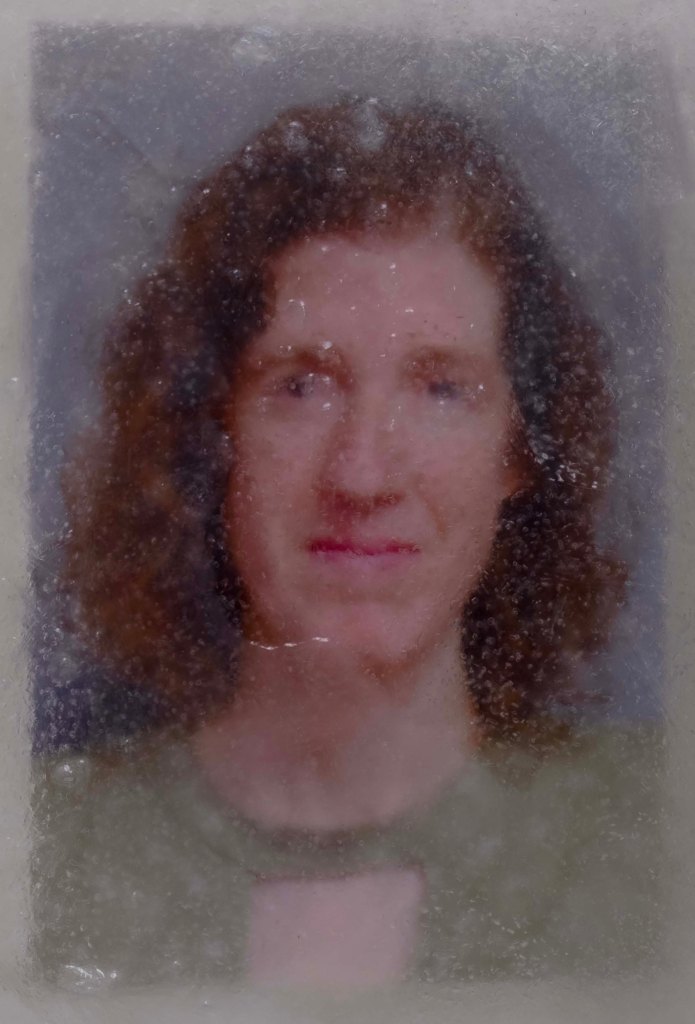


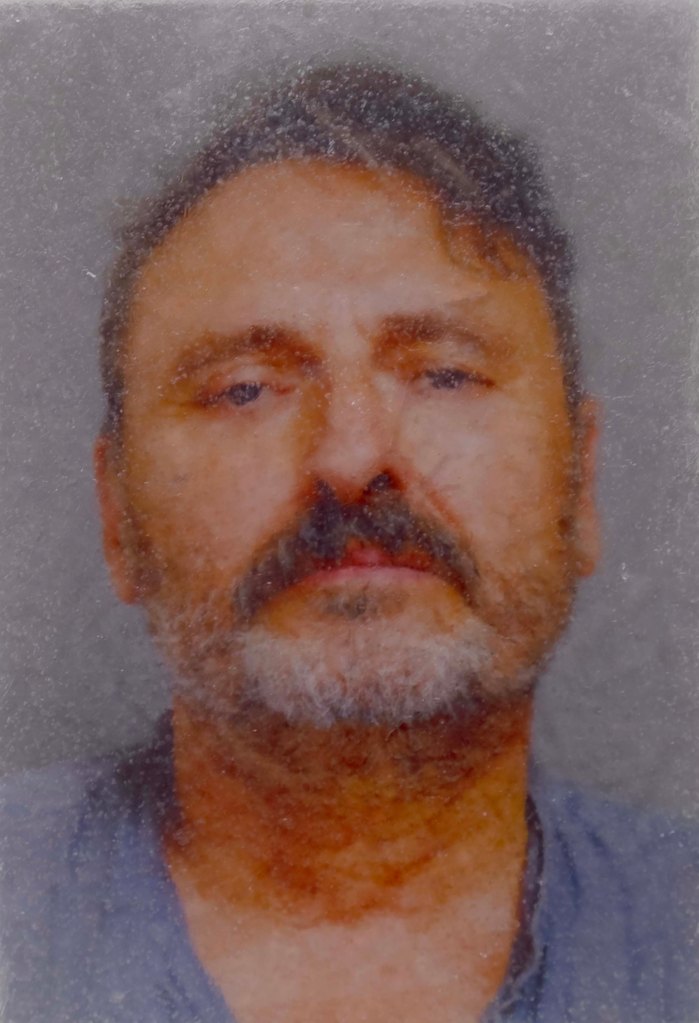
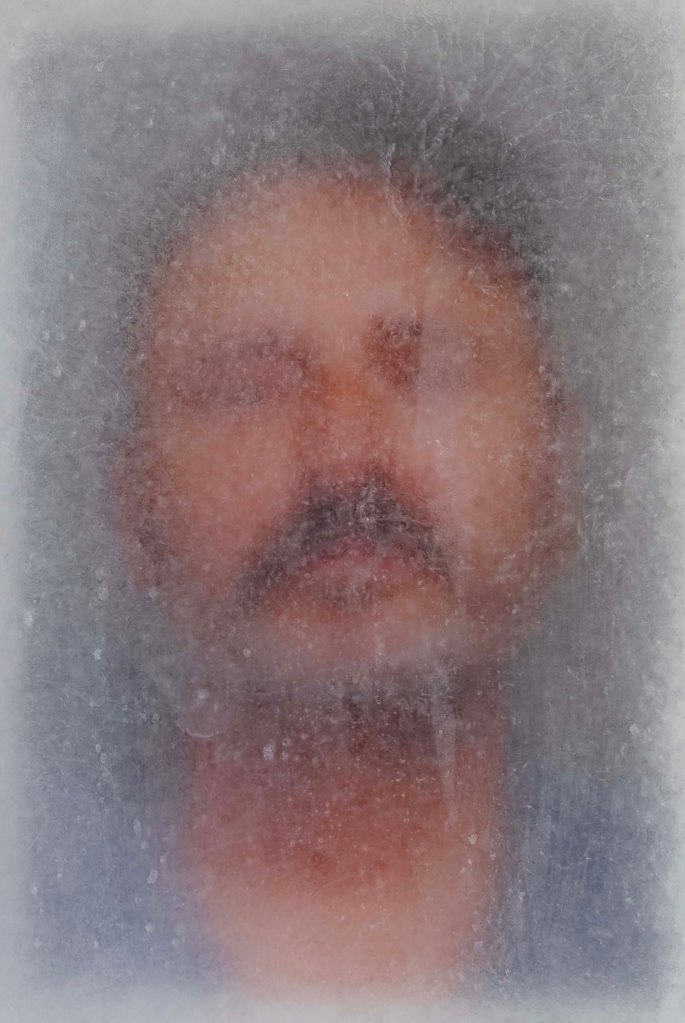


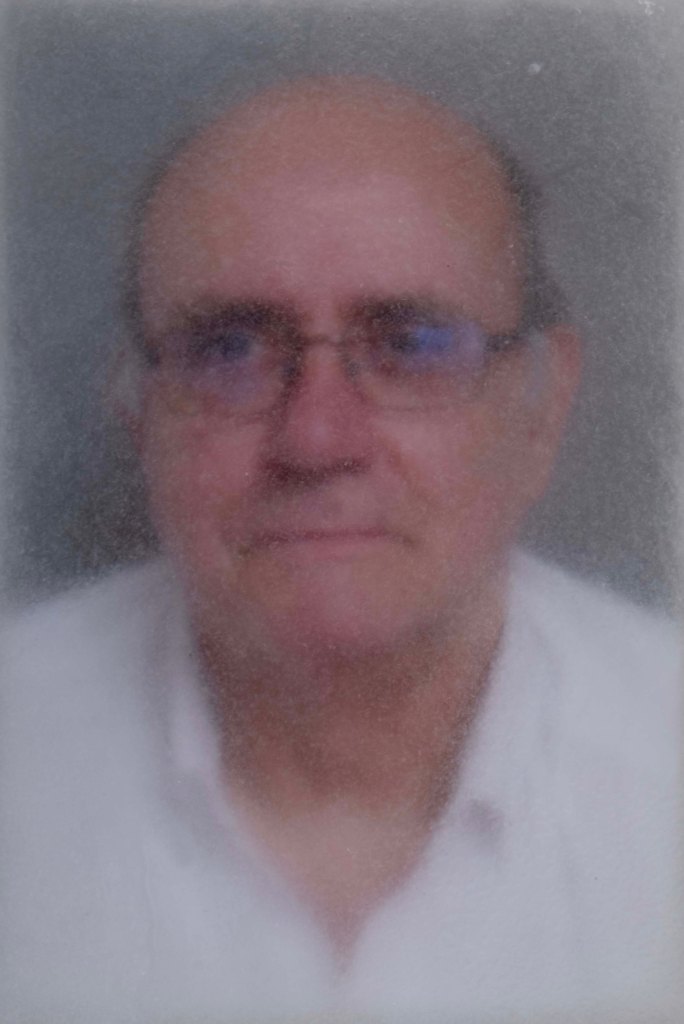


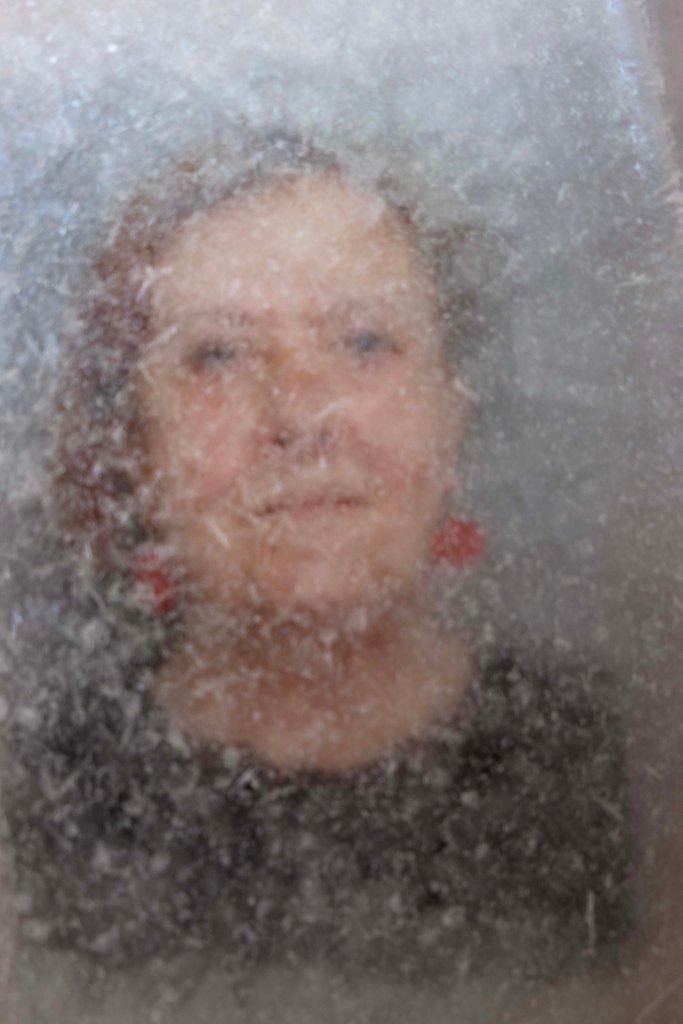

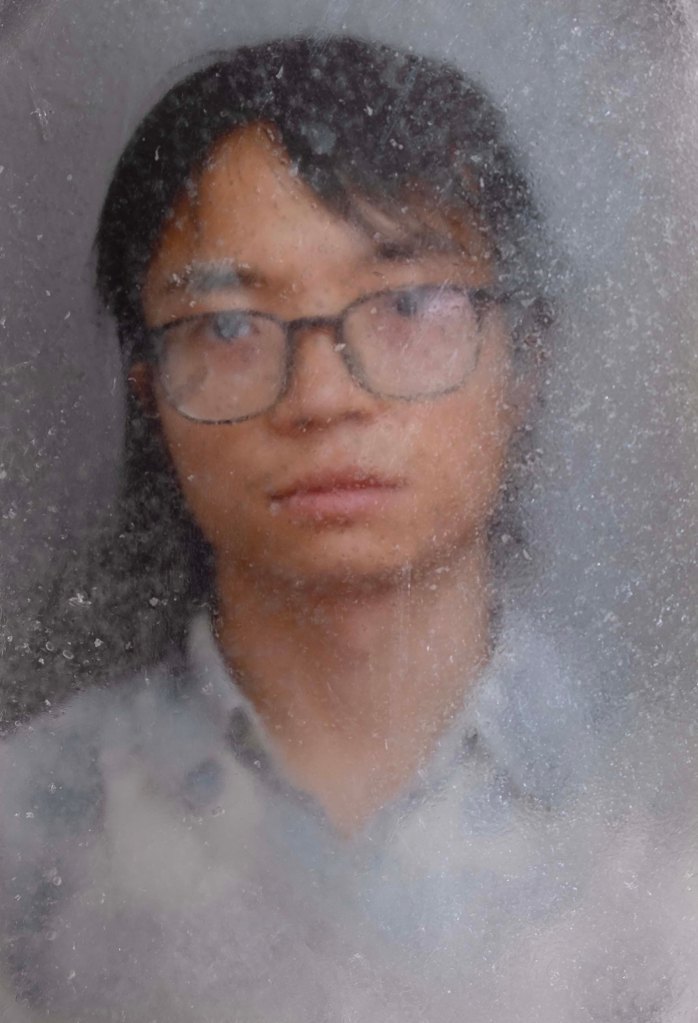

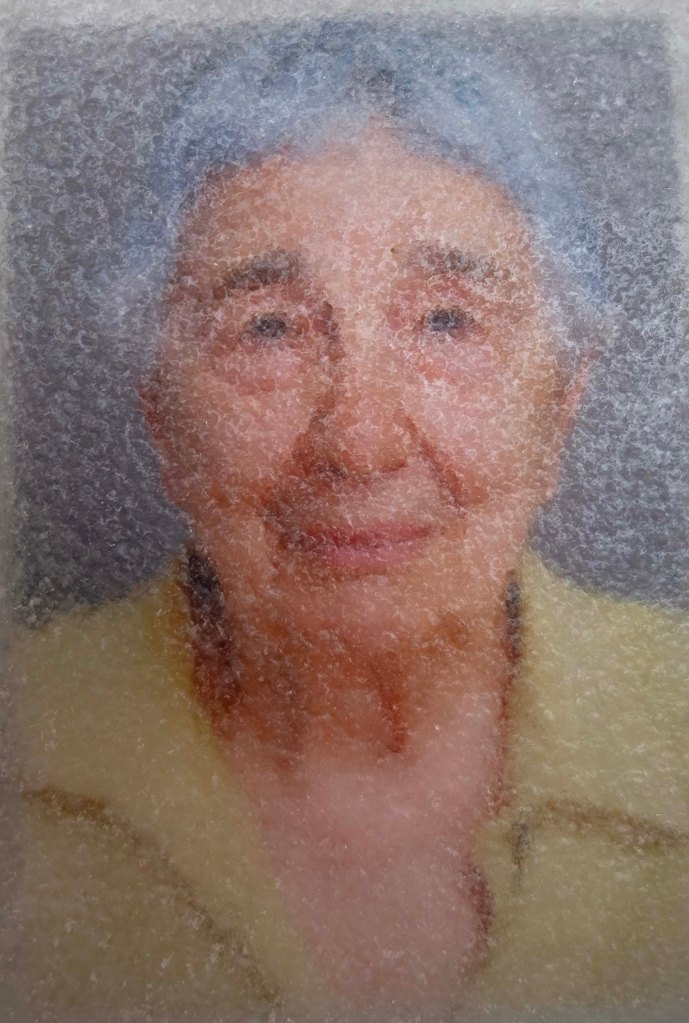

Durante tu participación en una sesión guiada para explorar tu estado anímico, escribirás un registro de tu trauma, Jana Leo te hará un retrato que más tarde, en la misma sala donde te fotografía, introduce en una bandeja de hielo en un congelador también instalado en la sala. En los días siguientes va fotografiando el retrato captando el proceso de congelación y de desaparición de la imagen. La acción se abre al público como exposición el 16 de julio de 2025.

La Acción participativa tuvo lugar en Museo La Neomudéjar
C. de Antonio Nebrija, S/N, Retiro, 28007 Madrid
Horario para la participación:
Miércoles 11 de junio de 5.30 a 7.30
Jueves 12 de junio de 5.30 a 7.30
Viernes 13 de junio de 5.30 a 7.30
Sábado 14 de junio de 5.30 a 7.30
Domingo 15 de junio de 5.30 a 7.30
Miércoles 18 de junio de 11.30 a 13.30 y de 5.30 a 7.30
Jueves 19 de junio de 11.30 a 13.30
Viernes 20 de 11.30 a 13.30
Sábado 21 de 5.30 a 7.30
Miércoles 25 de 11.30 a 13.30
Jueves 26 de 11.30 a 13.30

Jana Leo no es terapeuta ni psicóloga, sino artista y filósofa, que por su propia experiencia con el trauma ha ahondado en su funcionamiento e ideología que sigue compartiendo y explorando con esta pieza de arte. La idea es reevaluar lo que el trauma significa a través de este sencillo ejercicio que busca “congelarlo”, transformándolo de una experiencia íntima a algo que se puede observar con cierta distancia, en un objeto externo, en una fotografía, algo que tome vida propia. La intención no es olvidar, sino convertir la herida en algo independiente. La acción no tiene ninguna intención curativa sino reflexiva sobre sus efectos en la vida en tiempo presente. A nivel político, esta acción también busca compartir el trauma, pues una parte del mismo es la represión de silencio que se impone sobre la persona dañada. Y por último, se trata de ver patrones traumatizantes que pueden apuntar a que no es algo privado sino el resultado de una cultura y una forma de vida, que por lógica ha de considerarse entonces como una experiencia colectiva. Se puede leer más sobre este tema en el libro: “Arte, memoria y trauma” de Marián López Fernández Cao, Madrid 2020, editorial Fundamentos.

Jana Leo is not a therapist or a psychologist, but an artist and philosopher who, through her own experience with trauma, has digged into its mechanisms and ideology, which she continues to share and explore with this artwork. The idea is to re-evaluate what trauma means through this simple exercise that seeks to “freeze” it, transforming it from an intimate experience into something that can be observed with a certain distance—an external object, a photograph, that takes on a life of its own. The intention is not to forget, but to turn the wound into something independent. The action has no curative intent; rather, it is a reflection on the effects of trauma in the present with in a distance so they are are less painfull to deal with. On a political level, this action also seeks to share trauma, as part of trauma is the repression of silence imposed upon the injured person (for that reason, the narrative of the trauma is not displayed). Finally, it is about remembering that trauma is not a private matter but the result of a culture and a way of life, which must therefore be considered a collective experience. More on this topic can be read in the book Arte, memoria y trauma (Art, Memory, and Trauma) by Marián López Fernández Cao (Madrid: Fundamentos, 2020).
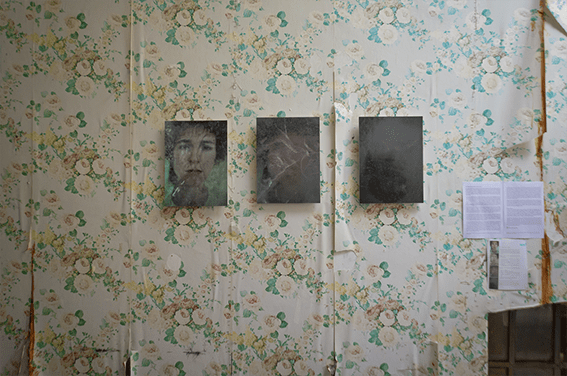
Desde el punto de vista del lenguaje fotográfico, esta acción participativa busca reivindicar el retrato como un repositorio, un documento de las emociones y no un simple archivo de reconocimiento (como lo es en los usos de la fotografía como identidad), ni un acto de afirmación (como lo es en las fotografías del álbum familiar o de social media). Ciertas reflexiones de interés para esta pieza se encuentran en el tratado sobre la fotografía de Jana Leo publicado por CENDEAC en 2004 y reeditado en 2014 El Viaje Sin Distancia.
From the perspective of photographic language, this participatory action seeks to reclaim the portrait as a repository, a document of emotions, and not merely an archive for recognition (as is its use in identity photography) or an act of affirmation (as it is in family albums or on social media). Certain reflections relevant to this piece can be found in the treatise on photography by Jana Leo, published by CENDEAC in 2004 and reissued in 2014, “El Viaje Sin Distancia” (The Journey Without Distance).

“Proyecto realizado con el apoyo del programa de ayudas a la creación contemporánea y a la movilidad nacional e internacional 2024/2025 del Ayuntamiento de Madrid”.


 Jana Leo